


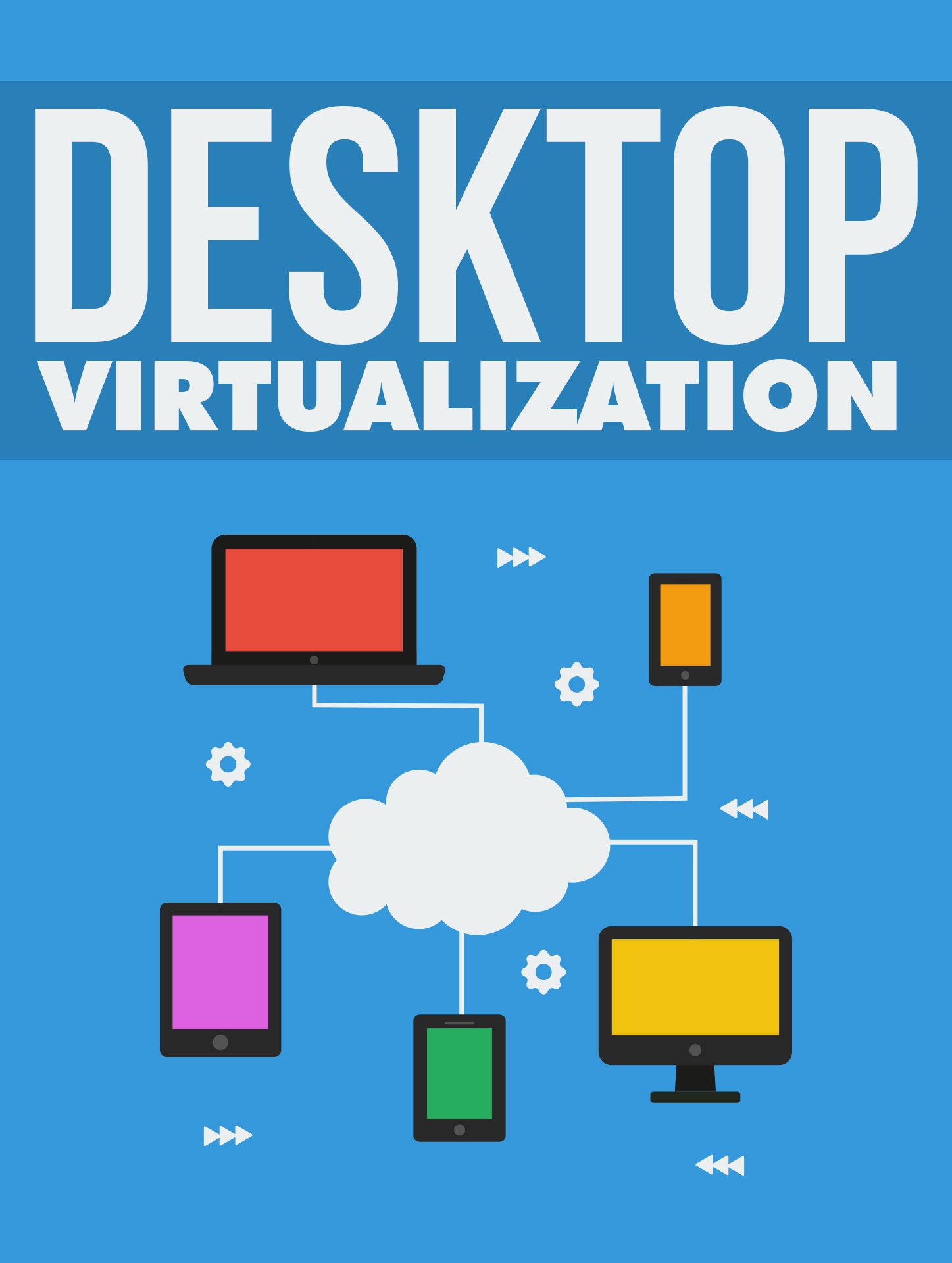

Description
Key Benefits of Desktop Virtualization
Desktop virtualization provides several important advantages that improve efficiency and flexibility for businesses and users alike.
Easy Mobility
One of the main benefits of desktop virtualization is mobility. A virtual desktop acts as a portable workstation that can function anywhere. Users can access their desktop online or offline. All that is needed is a USB stick or similar device to operate the system. This allows employees to work effectively from any location, supporting the growing demand for flexible and mobile work environments.
Centralized Management
Desktop virtualization also simplifies management. Its technology allows multiple virtual desktops to be created from a single template. This centralized approach makes it easier for IT teams to manage numerous workstations simultaneously. Updates, security protocols, and maintenance can be applied across all virtual desktops efficiently. As a result, organizations save time and reduce operational complexity while maintaining consistency across the workforce.
Enhanced Collaboration
With centralized virtual desktops, teams can collaborate more easily. Standardized templates ensure that all team members work in the same environment. This minimizes compatibility issues and streamlines communication, boosting productivity across projects.
Cost Efficiency
Virtual desktops can reduce costs by minimizing the need for high-end physical hardware. Since the computing environment is virtualized, users can operate efficiently on less expensive devices. IT maintenance costs also decrease due to the centralized management system.
Conclusion
Desktop virtualization combines mobility, centralized management, enhanced collaboration, and cost efficiency. It allows organizations to provide employees with flexible, accessible workstations while simplifying IT administration and reducing expenses.



Reviews
There are no reviews yet.